


Does Bad Weather Affect Liability in a Car Accident?
If you were involved in a collision where weather may have played a role, you might think it was simply an accident and that nobody was to blame. However, bad weather does not always excuse drivers’ actions or responsibilities. An experienced Boulder injury attorney from Daniels & Scriven, P.C. can carefully review your case to determine whether the other driver could be found at fault and be held liable for your damages.
Common Causes of Weather-Related Accidents in Colorado
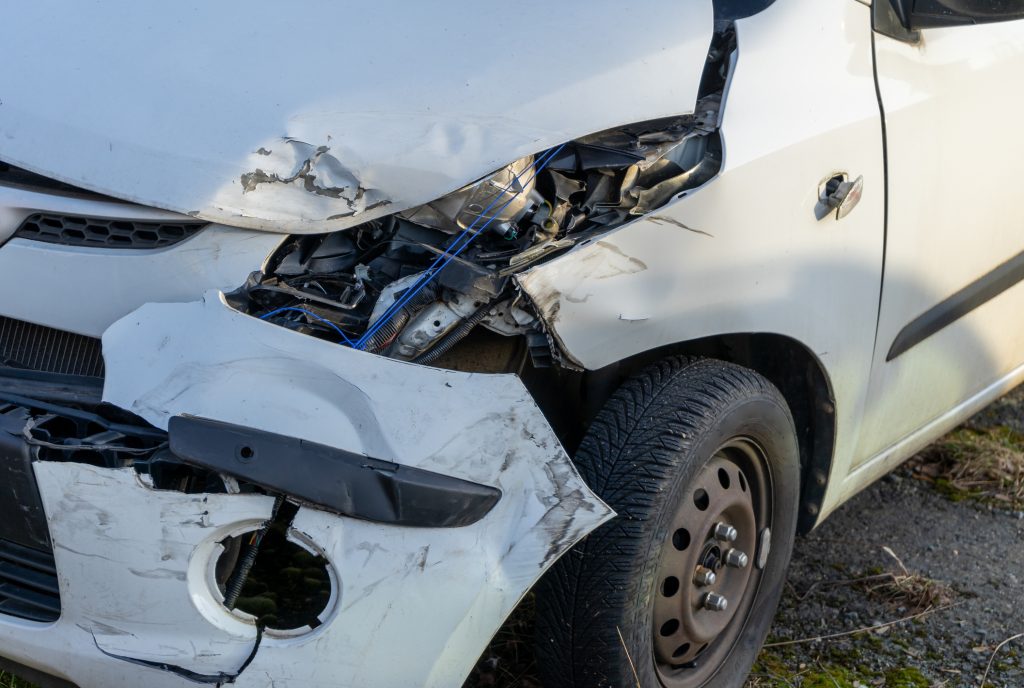
According to the Federal Highway Administration, approximately one-fifth of the five million crashes in the United States that occur each year include weather as a contributing factor. Each year, about 5,000 people are killed, and 400,000 others are injured in weather-related crashes.
In Colorado, various weather conditions can contribute to these motor vehicle crashes, including:
- Ice: Colorado sees its fair share of icy road conditions during our treacherous winters. Icy roads are slick, contributing to many crashes. Black ice can also cause unexpected skidding and collisions with other vehicles.
- Snow or sleet: Cold weather can lock essential vehicle components. Additionally, snow or sleet can hide traffic signs, accumulate on vehicles’ roofs, and cause dangerous conditions on roadways.
- Rain: Wet roadways are slippery and can lead to hydroplaning because your tires don’t have traction with the roadway. Rain can also reduce visibility, further contributing to crashes.
- Fog: Foggy conditions can also reduce visibility, causing additional accidents.
- Wind: Strong winds can push vehicles around or spread dust and debris around, limiting visibility.
When Can Another Driver Be Held Liable for a Motor Vehicle Accident in Bad Weather?
Even though bad weather can contribute to car crashes, this does not absolve a driver of their legal responsibility to adjust their driving to account for these conditions and avoid collisions. Many weather-related car accidents could have been prevented if the at-fault driver had not been:
- Speeding: Speed limits are set based on optimal driving conditions during daylight hours. Drivers are expected to adjust their speed to account for the current weather and road conditions. Vehicles need more time to come to a complete stop during inclement weather, and speeding further increases the time it takes to reach that stopping point.
- Driving unsafely: Drivers should make necessary adjustments to account for bad weather. They should increase their following distance, use signals when they change lanes, and keep their lights on during inclement weather.
- Distracted: Distracted drivers lead to many crashes. Drivers should be focused on the roadway during bad weather, not on their phones or engaged in other activities.
- Driving a vehicle with malfunctioning lights or other equipment: If a vehicle’s lights do not work correctly, other motorists won’t be able to see it in inclement weather.
Contact Daniels & Scriven, P.C. for Legal Advice and Guidance
If you were injured in an accident involving bad weather, don’t assume the other driver wasn’t at fault. An experienced car accident attorney in Broomfield from Daniels & Scriven, P.C. can investigate your case and determine your legal options. Contact us today for a free consultation.